
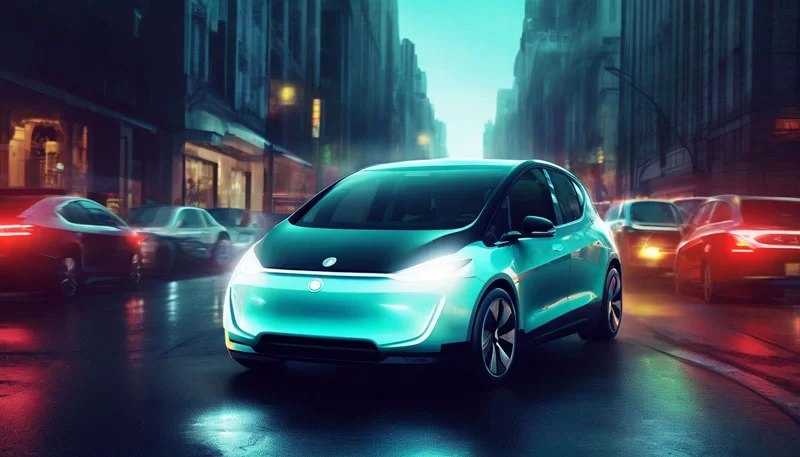
Introduction to Clean Energy and Electric Vehicles
As the world grapples with the pressing challenge of climate change, the need for clean energy alternatives has never been more critical. Clean energy refers to energy sources that have minimal environmental impact, predominantly derived from renewable resources such as solar, wind, and hydropower. Within this growing sector, electric vehicles (EVs) have emerged as a prominent solution, shifting the automotive landscape away from traditional gasoline-powered cars and towards more sustainable options.
Electric vehicles utilize electricity stored in batteries to power an electric motor, emitting zero tailpipe pollutants. This transition represents an essential step forward in reducing greenhouse gas emissions and other harmful emissions associated with fossil fuel combustion. As a result, EVs contribute significantly to decreasing air pollution in urban areas, ultimately promoting better public health outcomes. The adoption of electric cars can lead to a remarkable reduction in carbon footprints, aligning with global efforts to mitigate climate change impacts.
The significance of electric vehicles extends beyond their environmental benefits; they also offer economic advantages. The ongoing decline in battery costs, combined with government incentives and tax credits, makes electric vehicles increasingly accessible to consumers. Moreover, as the world shifts toward clean energy, investments in the associated infrastructure, such as charging stations, are surging. This development not only creates jobs but also enhances the economic landscape surrounding clean energy technologies.
In addition to environmental and economic considerations, the health benefits of transitioning to clean energy in the automotive sector are noteworthy. With fewer emissions from vehicles, air quality improves, leading to decreased respiratory problems and other health issues related to pollution. By embracing electric vehicles, society is embarking on a path toward a cleaner future, prioritizing human health and environmental well-being.
Environmental Impact of Electric Cars
The advent of electric vehicles (EVs) has ushered in a new era of sustainable transportation, presenting notable benefits in terms of environmental conservation. Primarily, electric cars play a pivotal role in reducing greenhouse gas emissions. Unlike conventional vehicles that operate on fossil fuels, EVs employ electric power sourced from batteries, which, when charged from renewable energy sources, exhibit significantly lower carbon emissions. Various studies have shown that the transition to electric vehicles can decrease the overall carbon footprint of personal transportation, thus offering a promising solution to combat climate change.
Moreover, electric cars contribute substantially to improving air quality, particularly in urban areas plagued by vehicle emissions. The harmful pollutants released by gasoline and diesel engines, such as nitrogen oxides and particulate matter, are drastically minimized with electric vehicles. As such, cities adopting electric fleets experience a notable reduction in smog and respiratory-related health issues among their residents. This transition is critical as it directly correlates with enhancing public health and fostering an eco-friendly living environment.
In addition to air quality improvements, electric vehicles also minimize noise pollution, a pervasive issue in many densely populated areas. The quiet operation of electric cars leads to significantly less noise disturbance, promoting a more peaceful urban ambiance. This aspect of electric vehicles often goes unnoticed, yet it has considerable implications for mental health and overall quality of life in bustling cities.
It is crucial to consider the entire lifecycle of electric cars, from production through to disposal, in assessing their environmental impact. The manufacturing process of electric vehicles can involve considerable resource expenditure and energy use, particularly concerning battery production. However, the long-term benefits, including lower emissions during operation and the potential for battery recycling, help mitigate these initial environmental costs. Thus, while electric cars do have an environmental footprint, it is significantly lighter than that of traditional vehicles over their entire life cycle, reinforcing their role as a sustainable choice in modern transportation.
Economic Advantages of Switching to Electric Vehicles
The growing popularity of electric vehicles (EVs) is not only a step towards a more sustainable future but also presents significant economic advantages for consumers. One of the primary financial benefits is the substantial cost savings on fuel. Unlike traditional gasoline-powered vehicles, electric cars operate on electricity, which is generally less expensive than gasoline. In many cases, the cost per mile for an electric vehicle can be significantly lower, contributing to ongoing savings, especially for individuals with long daily commutes.
Maintenance costs are yet another economic advantage of electric cars. EVs have fewer moving parts compared to their internal combustion engine counterparts, which leads to lower maintenance expenses. There are no oil changes, fuel filters, spark plugs, or exhaust systems to worry about, which can result in lower overall vehicle upkeep expenses over time. Many owners find that this decrease in maintenance leads to a more predictable financial planning scenario.
In addition to direct savings, various governments offer incentives to promote the adoption of electric vehicles, including tax rebates and credits. These financial incentives can lower the upfront cost of the vehicle, making EVs more accessible to consumers. Programs differ by region, yet many jurisdictions are deploying strategies that support individuals making the shift to cleaner energy options.
Investing in electric vehicle technology not only aids personal savings but may also stimulate long-term economic growth. The rising demand for EVs is encouraging job creation within the green energy sector, as companies scale up to meet production and service requirements. As more professionals are trained in green technologies, the potential for an expanded job market increases, creating a ripple effect that can enhance local economies.
Making the Transition: Tips for Potential EV Owners
Transitioning to an electric vehicle (EV) represents a significant commitment to sustainable transportation. Those considering this switch should carefully evaluate various factors to ensure that their choice aligns with their lifestyle and environmental goals. A key element to consider is the driving range of the EV. Potential owners should analyze their typical daily commuting distances and ensure that the range of their chosen vehicle can comfortably handle these without the need for frequent charging.
Another crucial aspect is the charging infrastructure available in your area. It is advisable to research the proximity of charging stations and the type of charging options they offer – including fast chargers and standard outlets. Home charging solutions, such as installing a dedicated charging unit, should also be explored. This not only provides convenience but can also enhance the overall ownership experience, allowing EV owners to charge their vehicles overnight and start each day with a full battery.
Battery life and maintenance are additional considerations. Understanding the battery warranty and lifespan can be beneficial in evaluating long-term costs and reliability. Newer models have made significant advances in battery technology, often boasting longer warranties, which may reflect the manufacturer’s confidence in their product. Prospective buyers should take the time to familiarize themselves with various models available on the market, analyzing performance metrics, features, and price points to determine which vehicle best suits their needs.
To facilitate the transition, it is also recommended to connect with current EV owners or forums to gain insights into real-world experiences and common challenges faced. This community support can provide valuable tips and reassurance as you make the shift to electric mobility. Ultimately, making an informed decision will lead to greater satisfaction and a successful transition to a more responsible choice in vehicle ownership.
No responses yet